


If you are buying a home with an FHA loan, you will hear your lender mention an FHA case number early in the process, often before the appraisal is even ordered. It sounds like a small piece of paperwork, but this ten digit number plays a surprisingly large role in how your loan moves forward. It identifies your specific loan file inside the federal housing system, it connects your appraisal and your mortgage insurance to the right property and borrower, and it even locks in which set of FHA rules apply to your loan.
What Is an FHA case number?
An FHA case number is a unique ten digit identifier that HUD assigns to one specific FHA mortgage case. Your lender requests it through FHA Connection, which is HUD’s online system for FHA lenders, after you have a signed purchase contract and have started your loan application. Each case number belongs to one property and one loan transaction. If you buy a different house, or if you start a completely new FHA loan later, you get a different case number.
How Your Lender Gets an FHA Case Number
You cannot apply for an FHA case number yourself, and you do not need to. Only your FHA approved lender can request one, and only through FHA Connection. The lender usually does this soon after you have a signed purchase agreement and your basic loan application is in progress. There is a good reason for the timing. The appraisal cannot be ordered for an FHA loan until a case number exists, so the lender requests it early to keep the transaction moving.
Before requesting the number, the lender enters key details about your loan into FHA Connection, including the property address, the borrower names, and the loan details. HUD then assigns the number and the case is officially established in the system.
Why the FHA Case Number Matters for Your Appraisal
The most practical reason the FHA case number matters is the appraisal. An FHA appraisal must be ordered under a specific case number, and the FHA roster appraiser includes that number when submitting the valuation report. Without an active case number, the appraiser cannot complete an FHA appraisal on your property.
Current FHA policy also says that a lender must order a new appraisal for each new case number assignment and may not reuse an appraisal performed under another active or endorsed FHA case number, even if that appraisal is still less than 180 days old. There is a narrow exception. FHA permits the use of an appraisal performed by an FHA roster appraiser when the prior case number was cancelled and never endorsed, as long as the transaction meets the applicable FHA requirements.
The appraisal itself is generally valid for 180 days from its effective date. If an appraisal update is completed before that period runs out, the updated appraisal can extend usability to one year from the original effective date. Keep both dates in mind if your closing is delayed, and ask your lender to confirm them in writing.
How the Case Number Locks In Your Loan Rules

Another reason the case number matters is that it fixes which version of FHA rules applies to your loan. Loan limits and mortgage insurance changes are usually described as applying to case numbers assigned on or after a particular date, not to closings on or after that date. That means the date your case number was assigned can decide which loan limit applies to you.
For 2026, the FHA one unit loan limit runs from a floor of $541,287 in lower cost counties to a ceiling of $1,249,125 in high cost counties, for case numbers assigned on or after January 1, 2026. If your case number was assigned just before a limit change took effect, the older limit could apply to your loan even if you close after the change.
The case number assignment date also affects how long your mortgage insurance premium, known as MIP, lasts. For case numbers assigned on or after June 3, 2013, with less than 10 percent down, MIP lasts for the life of the loan, and the only way to remove it is to refinance into a conventional loan once you have enough equity or to pay the loan off. With 10 percent or more down, MIP drops off automatically after 11 years. For 2026, FHA charges an upfront MIP of 1.75 percent of the base loan amount, usually rolled into the loan, plus an annual MIP of 0.55 percent a year for most 30 year loans with less than 5 percent down, paid monthly.
FHA Case Number Validity, Cancellation, and Transfers
An FHA case number does not stay active forever. Under HUD Handbook 4000.1, a case number with no appraisal logged in FHA Connection is automatically cancelled after six months if no qualifying last action has been taken. That six month clock is the one most buyers need to watch. If your purchase is delayed for months, for example because of repairs, a title issue, or a seller problem, your case number could be cancelled and your lender would need to request a new one.
Once an appraisal has been logged, the timeline changes. Cases with a logged appraisal are not subject to the six month cancellation window. Instead, the case stays active for one year from the appraisal’s effective date. These timelines apply to case numbers assigned on or after June 1, 2022. In some situations involving a transfer or other special handling, a case can be cancelled automatically after 18 months of inactivity rather than six months. Do not let an FHA file sit idle for months without checking the case status.
FHA Case Number Timelines at a Glance
| Situation | What usually happens |
|---|---|
| No appraisal logged yet | Case number is automatically cancelled after six months with no qualifying action |
| Appraisal logged in FHA Connection | Case stays active for one year from the appraisal effective date |
| Appraisal validity | 180 days from the effective date, extendable to one year with an appraisal update |
| Switching lenders | Case number can usually be transferred if it is still active |
| Case already cancelled | New case number needed, and a new appraisal may be required |
Where to Find Your FHA Case Number
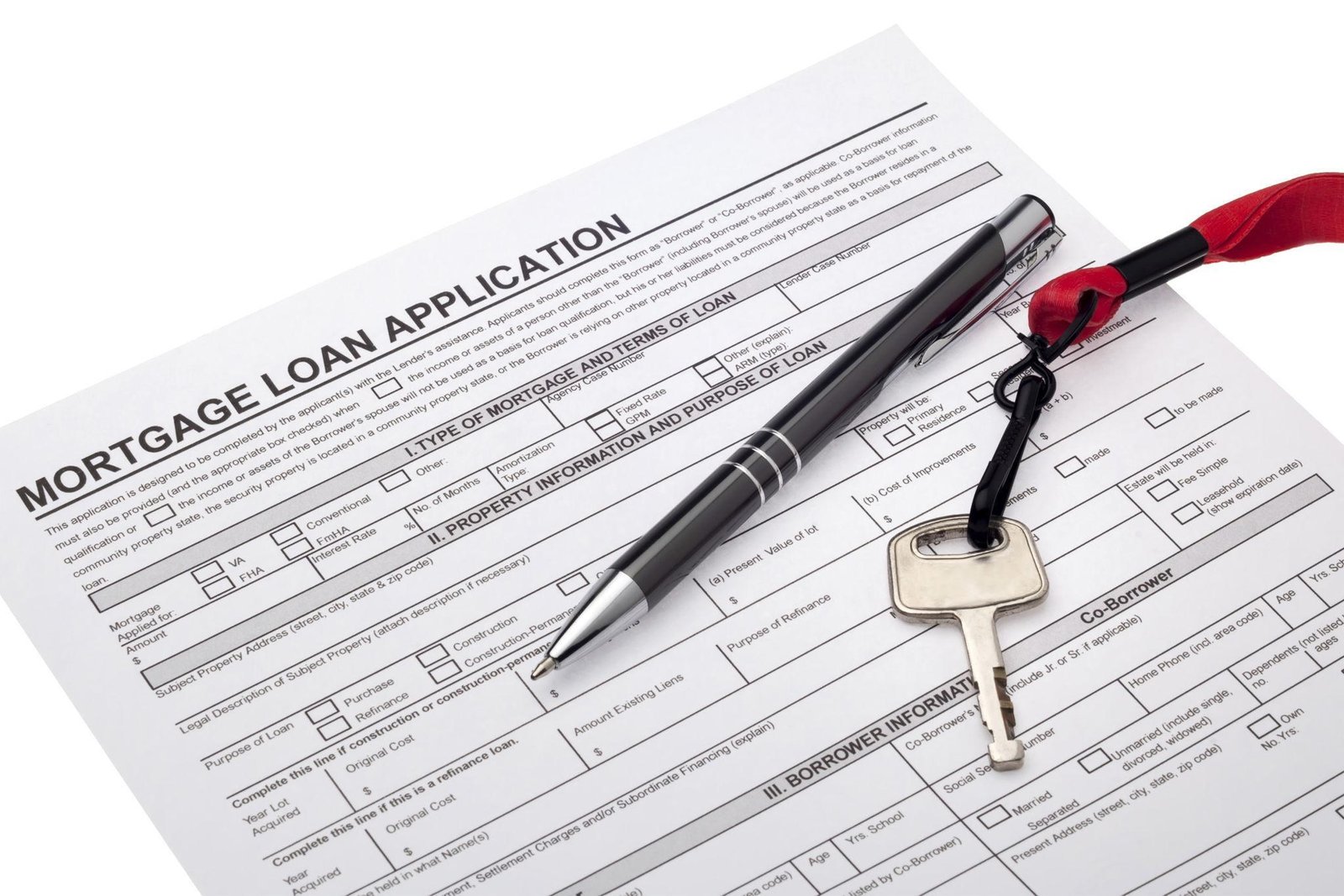
Your lender has your case number in its system, and it will appear on several documents in your loan file. The easiest place to find it is on HUD Form 92900-A, the HUD Addendum to the Uniform Residential Loan Application, where it is listed as the case number. It also appears on your appraisal report and on closing documents.
What the Case Number Does Not Do
It is just as important to understand what an FHA case number does not do. It is not an approval. Getting a case number does not mean FHA has approved you as a borrower, approved the property, or guaranteed that the loan will close. You still have to meet FHA credit and underwriting requirements, the property still has to satisfy FHA standards, and the loan still has to pass through your lender’s approval process.
The case number also does not lock in your interest rate, and it does not protect you from a low appraisal or from underwriting conditions. It simply means your FHA case has been established in FHA Connection and the FHA steps in your transaction can begin. Treat it as the start of the FHA specific part of your loan, not as the finish line.
Common Mistakes and Practical Tips
The most common mistake buyers make is assuming the case number means the loan is done. It does not, and acting as if it does can lead to disappointment. Do not give notice on a rental, book movers, or make large purchases just because a case number was assigned. Wait for a clear to close from your lender, which comes after underwriting, the appraisal, and all conditions are satisfied.
Another common mistake is switching lenders without asking about the case number. A transfer is often possible, but it is not automatic, and it takes time. Before you switch, ask the new lender whether they can transfer the existing case number and appraisal, and how long that will take. If the answer is no, factor the cost and time of a new appraisal into your decision.
If you want to understand your total monthly payment, ask your lender for a breakdown that shows principal, interest, taxes, insurance, and MIP separately. If you want to learn how FHA loans work for buyers who have owned before, read our guide on how FHA loans work for repeat buyers, and if you are wondering whether you can hold more than one FHA loan, see can you have two FHA loans at once. For official information, visit HUD for FHA program guidance and the Consumer Financial Protection Bureau for plain language mortgage explanations.
Frequently Asked Questions
What is an FHA case number?
It is a unique ten digit identifier HUD assigns to one specific FHA mortgage case through FHA Connection. It identifies your loan file for the lender, the appraiser, and HUD, and it is required before the FHA appraisal can be ordered.
Does an FHA case number mean my loan is approved?
No. A case number means your FHA case has been established in HUD’s system. You still need to pass underwriting, the property still needs to meet FHA standards, and the lender still needs to issue a final approval before closing.
Who assigns the FHA case number?
Only your FHA approved lender can request one, through HUD’s FHA Connection system. Borrowers cannot apply for one directly.
When is the case number assigned?
Usually soon after you have a signed purchase contract and your loan application is underway. The lender requests it early because the FHA appraisal cannot be ordered until a case number exists.
How long is an FHA case number good for?
Without an appraisal logged, it is cancelled after six months with no qualifying action. Once an appraisal is logged, the case stays active for one year from the appraisal’s effective date.
How long is an FHA appraisal valid?
An FHA appraisal is generally valid for 180 days from its effective date. An appraisal update completed before that period expires can extend usability to one year from the original effective date.
Can my case number be transferred to a new lender?
Yes, in most cases, if the case is still active. Your new lender can request a transfer, which can preserve the original assignment date and the appraisal. If the case was already cancelled, a new case number and possibly a new appraisal will be needed.
Where can I find my FHA case number?
Look on HUD Form 92900-A, on your appraisal report, and on your closing documents. It may appear as the MIC number on page one of some documents.
Is the FHA case number the same as my loan number?
No. The case number is a ten digit HUD identifier assigned before closing. Your loan account number is assigned by your servicer after closing and is used for payments and servicing.
Can an appraisal be reused under a new case number?
Usually no. A lender must order a new appraisal for each new case number assignment and may not reuse an appraisal from another active or endorsed case number.
Does the case number affect my mortgage insurance?
Yes, in the sense that the assignment date decides which MIP rules apply. For case numbers assigned on or after June 3, 2013, with less than 10 percent down, annual MIP lasts for the life of the loan. With 10 percent or more down, it ends after 11 years.
What happens if my case number is cancelled?
Your lender will need to request a new case number, and a new appraisal may be required. That can add cost and delay, so check the case status if your closing is delayed for months.
#FHACaseNumber #FHALoan #HUD #FHAAppraisal #HomeBuying #MortgageTips







One Response