


Compare FHA vs Conventional Loan 2026 to find the best mortgage option. Learn about credit scores, down payments, costs, and loan benefits.
FHA vs Conventional Loan 2026: Which Is Better for You?
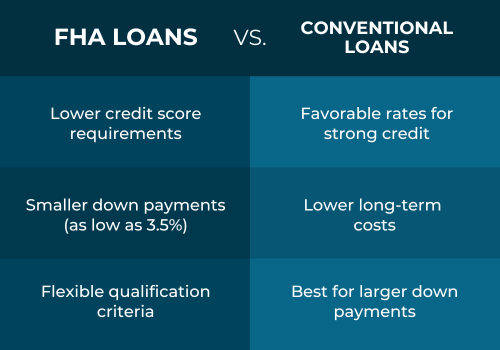
Buying a home is an exciting milestone, but choosing the right mortgage can be challenging. One of the most common questions homebuyers ask is whether they should choose an FHA loan or a conventional loan. Both loan types can help you purchase a home, but they have different requirements, costs, and benefits.
In 2026, rising home prices and changing mortgage rates make it more important than ever to understand your financing options. Whether you are a first home buyer or looking to move into a new property, comparing FHA and conventional loans can help you make a smart financial decision.
This guide explains the differences between FHA and conventional loans, their advantages and disadvantages, and how to determine which option is right for you.
What Is an FHA Loan?
An FHA loan is a mortgage insured by the Federal Housing Administration. This government backed program was created to help borrowers who may have difficulty qualifying for traditional financing.
FHA loans are popular among buyers with limited savings, lower credit scores, or less established credit histories.
Benefits of FHA Loans
- Lower credit score requirements
- Smaller down payment options
- Easier approval process
- Flexible debt to income guidelines
- Competitive interest rates
Drawbacks of FHA Loans
- Mortgage insurance is required
- Loan limits may apply
- Property must meet FHA standards
- Higher long term costs in some cases
For many first home buyers, FHA loans provide an accessible path to homeownership.
What Is a Conventional Loan?
A conventional loan is a mortgage that is not insured by a government agency. Instead, these loans are offered through private lenders and follow industry guidelines.
Conventional mortgages are often preferred by borrowers with strong financial profiles because they can provide lower overall borrowing costs.
Benefits of Conventional Loans
- Lower long term costs for qualified borrowers
- Flexible property types
- Mortgage insurance can often be removed
- Higher loan limits in some cases
- More financing options available
Drawbacks of Conventional Loans
- Higher credit score requirements
- More strict approval standards
- Larger down payments may be preferred
- Less flexibility for borrowers with financial challenges
If you have strong credit and stable income, a conventional mortgage may offer significant savings over time.
FHA vs Conventional Loan 2026: Key Differences
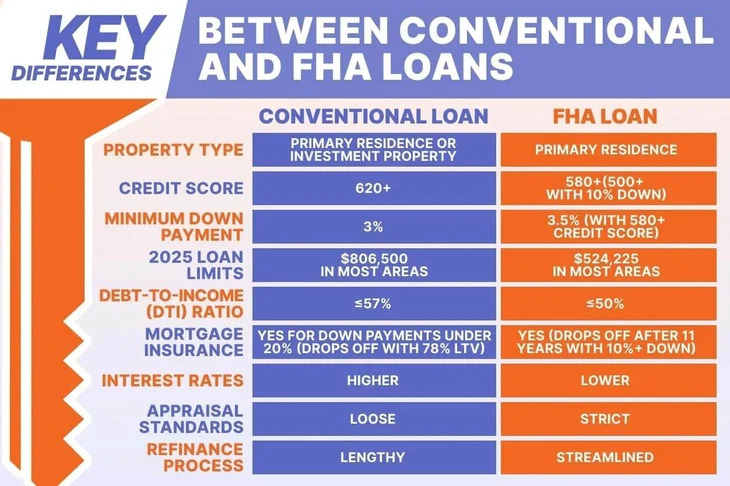
Understanding the major differences between these loan types is essential before applying.
Credit Score Requirements
One of the biggest differences is credit score eligibility.
FHA loans are designed for borrowers who may not have excellent credit. This makes them a good option for buyers who are still improving their credit profile.
Conventional loans generally require stronger credit to qualify for the best interest rates and loan terms.
If your credit score is lower, an FHA loan may be easier to obtain.
Down Payment Requirements
Saving for a down payment is often one of the biggest challenges for homebuyers.
FHA loans typically allow down payments as low as 3.5 percent for qualified borrowers.
Conventional loans also offer low down payment programs, but many lenders prefer borrowers who can contribute a larger amount upfront.
A larger down payment can reduce monthly payments and borrowing costs.
Mortgage Insurance
Mortgage insurance protects lenders if a borrower defaults on a loan.
With FHA loans, mortgage insurance is generally required regardless of the down payment amount. This can increase monthly housing expenses.
Conventional loans usually require private mortgage insurance only when the down payment is less than 20 percent. Once sufficient equity is built, the insurance can often be removed.
This feature can make conventional loans more affordable over the long term.
Interest Rates
Interest rates vary depending on market conditions and borrower qualifications.
FHA loans may provide attractive rates for borrowers with lower credit scores.
Conventional loans often reward borrowers with strong credit by offering lower overall borrowing costs.
Comparing offers from multiple lenders is the best way to find competitive mortgage rates.
Property Standards
FHA loans require homes to meet certain safety and property condition guidelines.
Conventional loans generally offer more flexibility regarding property conditions and types.
If you are purchasing a property that needs repairs, this difference may influence your decision.
Who Should Choose an FHA Loan?
An FHA loan may be the better option if you:
- Have a lower credit score
- Have limited savings
- Are purchasing your first home
- Need flexible qualification requirements
- Have a higher debt to income ratio
For many buyers entering the housing market in 2026, FHA financing offers a practical and affordable solution.
Who Should Choose a Conventional Loan?
A conventional loan may be ideal if you:
- Have strong credit
- Can afford a larger down payment
- Want lower long term borrowing costs
- Plan to stay in the home for many years
- Want the ability to remove mortgage insurance
Many financially stable borrowers choose conventional financing because it can save money over the life of the loan.
FHA vs Conventional Loan Costs in 2026
When comparing loans, focus on the total cost rather than only the interest rate.
Important costs include:
Monthly Mortgage Payment
This includes principal, interest, taxes, and insurance.
Mortgage Insurance Costs
Mortgage insurance can significantly affect monthly expenses.
Closing Costs
Both FHA and conventional loans include closing costs, which vary by lender and location.
Interest Costs
Even a small difference in interest rates can lead to substantial savings over time mortgage guider hub.
Down Payment Amount
A larger down payment can reduce borrowing costs and monthly obligations.
Using a mortgage calculator can help estimate total expenses and compare financing options accurately.
How to Choose the Right Mortgage in 2026
Review Your Credit Profile
Your credit score is one of the most important factors in determining loan eligibility and rates.
Determine Your Budget
Understand how much home you can comfortably afford before applying.
Compare Multiple Lenders
Different lenders offer different rates, fees, and loan programs.
Consider Future Financial Goals
Think about how long you plan to own the home and whether you expect your financial situation to change.
Speak With a Mortgage Professional
A mortgage expert can help evaluate your options and recommend the most suitable loan program.
Conclusion
When comparing FHA vs Conventional Loan 2026, there is no single answer that works for everyone. FHA loans are often the best choice for buyers with lower credit scores, limited savings, or flexible financing needs. Conventional loans can provide lower overall costs and greater financial benefits for borrowers with strong credit and stable income.
The best mortgage depends on your unique financial situation, homeownership goals, and long term plans. Before making a decision, compare rates and loan estimates from multiple lenders to ensure you receive the most competitive offer.
With careful planning and research, you can choose the mortgage that helps you achieve your dream of homeownership while maintaining financial confidence.
Frequently Asked Questions
What is the main difference between an FHA loan and a conventional loan?
The main difference is that FHA loans are insured by the government and generally have more flexible qualification requirements, while conventional loans are offered through private lenders and often require stronger credit.
Which loan is easier to qualify for in 2026?
FHA loans are usually easier to qualify for because they have lower credit score and down payment requirements.
Is mortgage insurance required for both loan types?
Yes, but FHA loans generally require mortgage insurance for a longer period. Conventional loan insurance may be removed after enough equity is built.
Which loan has lower monthly payments?
The answer depends on interest rates, down payment size, and mortgage insurance costs. Comparing loan estimates is the best way to determine actual payments.
Are FHA loans only for first home buyers?
No. FHA loans are available to eligible borrowers whether they are first home buyers or repeat buyers.
Can I switch from an FHA loan to a conventional loan later?
Yes. Many homeowners refinance from FHA to conventional financing when their credit improves or equity increases.
Which loan is better for borrowers with excellent credit?
Borrowers with strong credit often benefit more from conventional loans because they may qualify for lower costs and better terms.
Should I compare multiple lenders before applying?
Yes. Comparing lenders can help you find better rates, lower fees, and more favorable loan terms.