

Learn FHA loan for self employed borrowers requirements in 2026. Discover income rules, documents, credit score, down payment, and approval tips.
FHA Loan for Self Employed Borrowers Requirements 2026

Buying a home while working for yourself is possible with an FHA loan. Many business owners, freelancers, independent contractors, and self employed professionals qualify every year. The process can be a little different because lenders must verify your income carefully, but FHA loans remain one of the most accessible mortgage options available.
If you are wondering about FHA loan for self employed borrowers requirements 2026, this guide explains everything you need to know. From income documentation to credit score requirements, here is what lenders look for before approving your mortgage.
What Is an FHA Loan?
An FHA loan is a mortgage insured by the Federal Housing Administration. It helps borrowers qualify for home financing with flexible credit requirements and lower down payment options.
Self employed borrowers can qualify just like traditional employees as long as they can prove stable income and meet lender guidelines.
Can Self Employed Borrowers Get an FHA Loan?
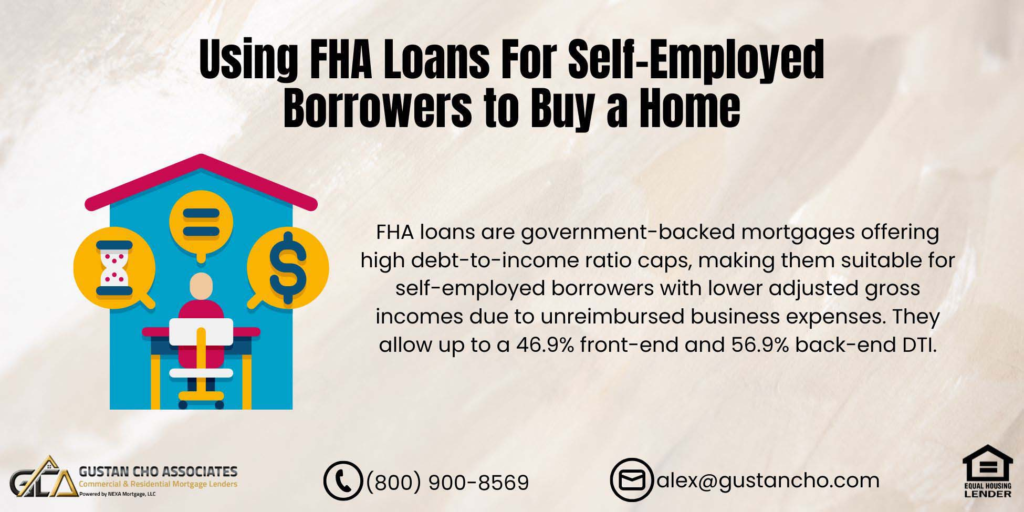
Yes. FHA loans are available to self employed borrowers including:
- Business owners
- Freelancers
- Consultants
- Independent contractors
- Gig workers
- Real estate agents
- Online entrepreneurs
The key requirement is showing that your business produces reliable income that is expected to continue.
FHA Loan Requirements for Self Employed Borrowers in 2026
Here are the main qualifications lenders review.
Steady Self Employment Income
Most lenders want to see at least two years of self employment history. This helps prove that your income is stable and consistent.
In some cases, borrowers with one year of self employment may qualify if they have previous experience in the same industry.
Credit Score Requirements
Your credit score plays an important role in FHA loan approval.
Typical FHA guidelines include:
- Credit score of 580 or higher for a lower down payment
- Some lenders may accept lower scores with additional requirements
- Higher credit scores may improve your loan options
Keeping your credit healthy can help you receive better mortgage terms.
Down Payment
FHA loans are known for affordable down payment requirements.
Many qualified borrowers can purchase a home with as little as 3.5 percent down if they meet credit requirements.
A larger down payment may strengthen your application.
Debt to Income Ratio
Lenders compare your monthly debt payments to your monthly income.
This ratio helps determine whether you can comfortably manage a mortgage payment along with your existing financial obligations.
Reducing credit card balances and paying off debt before applying may improve your chances of approval.
Documents Needed for an FHA Loan
Self employed borrowers usually need more documentation than traditional employees.
Personal Tax Returns
Most lenders request your personal federal tax returns for the previous two years.
Business Tax Returns
If your business files separate tax returns, lenders may also review those documents.
Profit and Loss Statement
A recent profit and loss statement helps verify your current business performance.
Bank Statements
Business and personal bank statements may be requested to confirm income and available funds.
Business License
Some lenders ask for proof that your business is active and operating legally.
Additional Financial Records
Depending on your situation, lenders may request invoices, contracts, accountant statements, or other supporting documents.
How Lenders Calculate Self Employed Income
Lenders do not simply use your total business revenue.
Instead, they review your tax returns and calculate your qualifying income after considering eligible business expenses and deductions.
If your reported income changes significantly from year to year, the lender may average your income over multiple years.
This careful review helps determine how much home you can afford.
Tips to Improve Your FHA Loan Approval Chances
Preparing before applying can make the process much easier.
Keep Accurate Financial Records
Organized tax returns, bank statements, and business records help speed up loan approval.
Improve Your Credit Score
Pay bills on time, reduce outstanding balances, and avoid opening unnecessary credit accounts before applying.
Save for Closing Costs
Besides your down payment, you should also prepare for closing costs and other home buying expenses.
Avoid Large Financial Changes
Try not to make major purchases or take on new debt while your mortgage application is under review.
Work With an Experienced Mortgage Professional
A mortgage professional who understands self employed income can help you prepare the right documentation and avoid unnecessary delays.
Benefits of an FHA Loan for Self Employed Borrowers
FHA loans offer several advantages.
- Lower down payment requirements
- Flexible credit qualifications
- Competitive mortgage options
- Opportunity to become a homeowner sooner
- Available for many self employed professionals
These benefits make FHA financing an excellent choice for borrowers who may not qualify for some conventional mortgage programs.
Common Mistakes to Avoid
Many self employed borrowers experience delays because of avoidable mistakes.
These include:
- Missing tax documents
- Unpaid tax obligations
- Large unexplained bank deposits
- Inconsistent income reporting
- Applying for new credit during the mortgage process
Preparing your financial records before applying can help create a smoother experience.
Conclusion
Understanding FHA loan for self employed borrowers requirements 2026 can help you prepare for a successful mortgage application. While lenders require additional income verification, many Mortgage for Business Owners and independent professionals qualify every year.
The best approach is to maintain organized financial records, strengthen your credit profile, and work with a knowledgeable mortgage expert who understands self employed borrowers. With proper preparation, home ownership can become a reality even if you work for yourself.
Frequently Asked Questions
Can a self employed borrower qualify for an FHA loan?
Yes. Self employed borrowers can qualify if they meet FHA credit, income, and documentation requirements.
How many years of self employment are required?
Most lenders prefer at least two years of self employment history, although some exceptions may apply.
What credit score is needed for an FHA loan?
Many borrowers qualify with a credit score of 580 or higher, depending on lender requirements.
Do I need business tax returns?
Yes. Many lenders request both personal and business tax returns to verify income.
Can freelancers qualify for an FHA loan?
Yes. Freelancers, consultants, and independent contractors may qualify if they can document stable income.
Does business income need to be consistent?
Yes. Lenders prefer stable and predictable income that is likely to continue.
Can I qualify if my income changes every year?
Possibly. Lenders often review several years of income and may average your earnings depending on your financial history.