
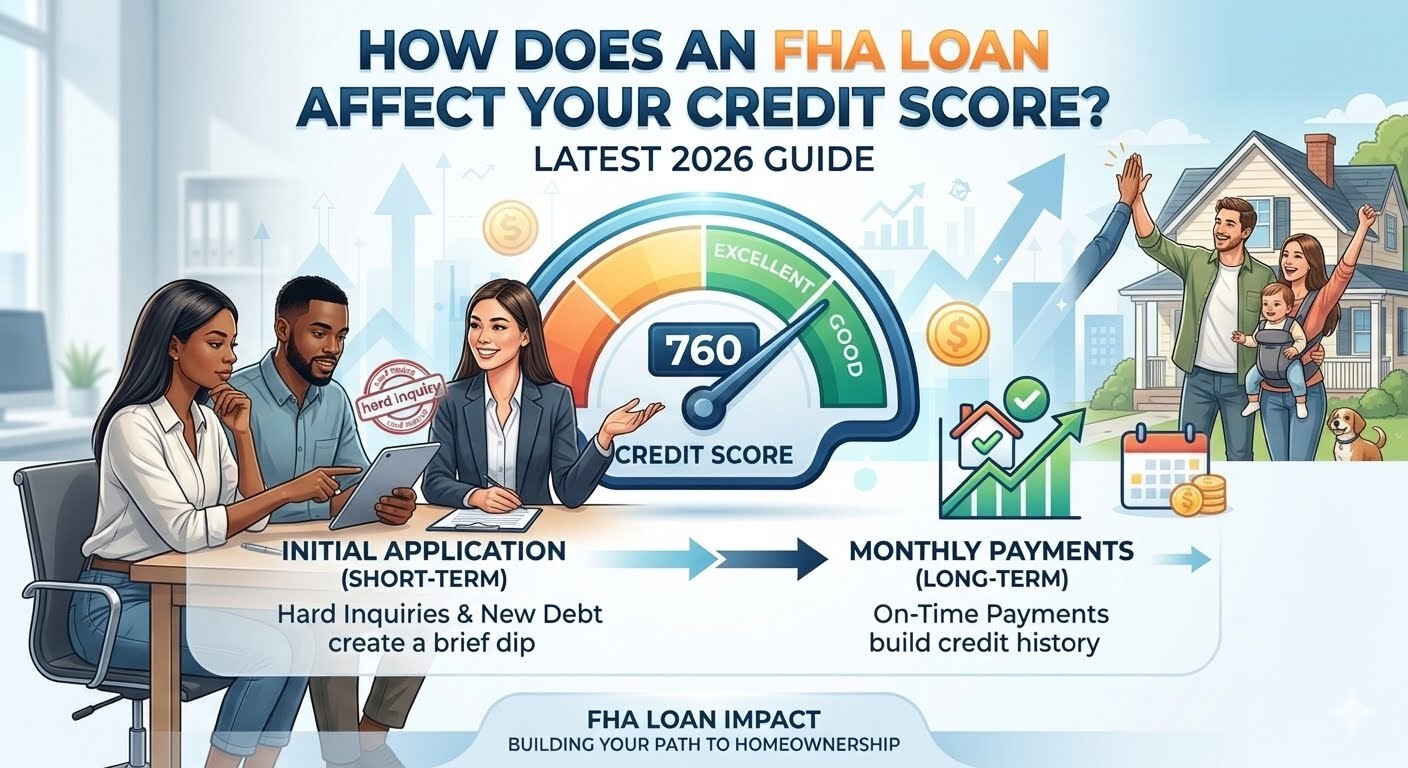

Buying a home with an FHA loan can make homeownership more accessible, especially if your credit history is not perfect. But many borrowers have an important question before applying: How does an FHA loan affect your credit score?
The answer depends on what stage of the mortgage process you are in. Applying for an FHA loan can cause a small temporary change because the lender checks your credit. After you close, however, making your mortgage payments on time can help strengthen your credit history over time.
FHA loans are issued by private lenders and insured by the Federal Housing Administration. They can allow down payments as low as 3.5 percent and generally allow lower credit scores than many conventional loan options.
Here is what you should know about FHA loans and your credit score in 2026.
How Does an FHA Loan Affect Your Credit Score?
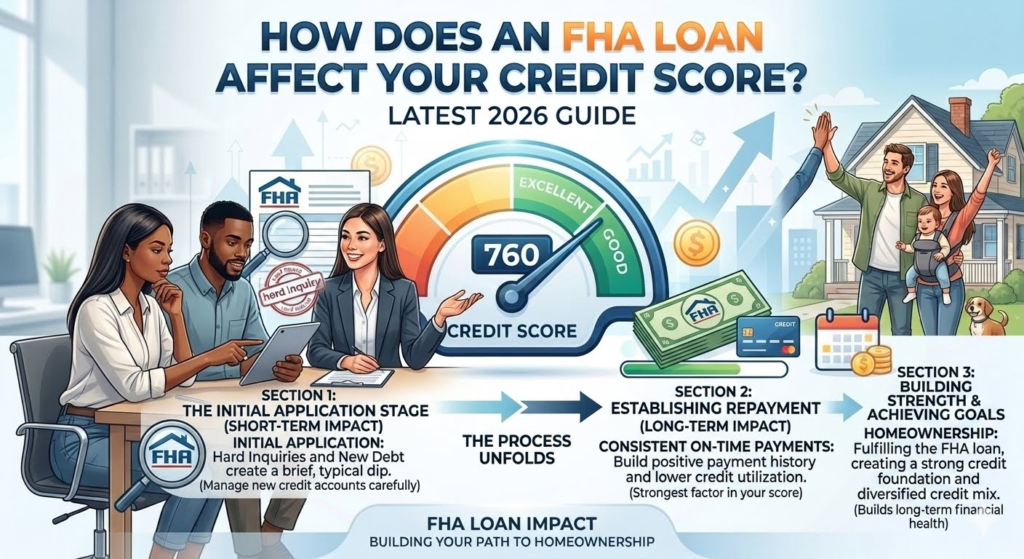
An FHA loan can affect your credit score in both the short term and long term.
When you apply, the lender typically checks your credit report. This is considered a hard inquiry and can have a small negative effect on your credit score.
Once your FHA mortgage is active, your payment history becomes important. Making your mortgage payments on time can help establish a stronger payment history. Missing payments can have the opposite effect and may seriously hurt your credit.
So, the FHA loan itself is not automatically good or bad for your credit. Your financial behavior before and after getting the loan matters most.
Does Applying for an FHA Loan Lower Your Credit Score?
Yes, applying for an FHA loan can cause a small temporary decrease in your credit score because the lender normally performs a hard credit inquiry.
However, you should not avoid comparing mortgage offers simply because of this inquiry.
The Consumer Financial Protection Bureau explains that multiple mortgage credit checks made within a 45 day period are generally recorded as a single inquiry for credit scoring purposes.
This means you can shop around for mortgage rates without being punished for every lender checking your credit, as long as you keep your mortgage shopping within the applicable time period.
What Should You Avoid Before Closing?
Once you start the FHA mortgage process, try to avoid unnecessary new credit.
For example, opening a new credit card, financing a car, or taking out another loan could affect your credit profile and debt obligations. The CFPB recommends avoiding multiple new credit applications when preparing for a mortgage.
What Credit Score Do You Need for an FHA Loan in 2026?
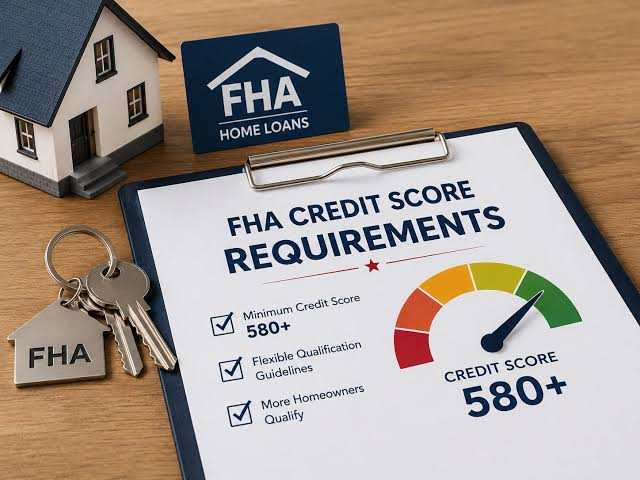
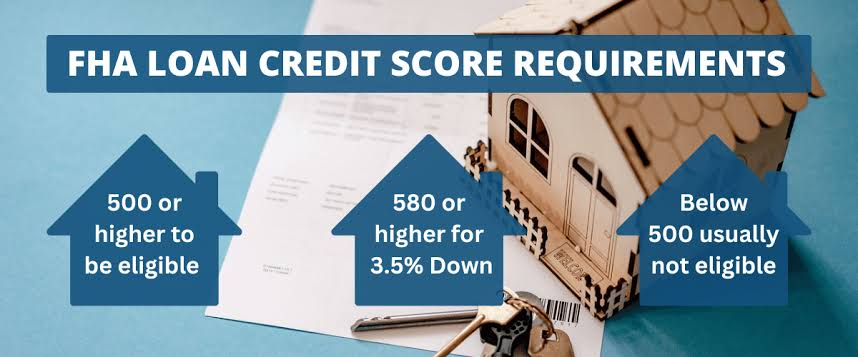
FHA policy generally permits credit scores of 580 or higher for the standard minimum down payment structure. Borrowers with qualifying credit scores between 500 and 579 may be permitted to obtain FHA financing with at least 10 percent equity.
However, meeting an FHA credit score guideline does not guarantee loan approval.
Your lender can also review your income, debt, assets, credit history, employment, and other financial information. Individual lenders may also have their own requirements.
Is 580 a Good Credit Score for an FHA Loan?
A 580 credit score can meet the FHA policy threshold for the standard 3.5 percent minimum down payment structure. But a higher score may make your overall mortgage application stronger.
Your credit score can also influence the pricing and terms you receive. The CFPB notes that higher credit scores can help borrowers qualify for lower interest rates.
Can an FHA Loan Help Improve Your Credit Score?
An FHA mortgage can potentially help you build a stronger credit profile if you manage it responsibly.
Your mortgage becomes part of your credit history. Consistently making payments on time demonstrates responsible credit management.
For example, suppose you take out an FHA loan and make every payment on schedule. Over time, those positive payment records can contribute to a healthier credit history.
However, an FHA loan is not a credit repair tool. If you miss payments or fall seriously behind, your credit score can suffer.
Payment History Matters
Payment history is one of the most important parts of managing your credit.
After closing on an FHA loan, make your mortgage payment by the required due date. Consider setting up automatic payments or calendar reminders so you do not accidentally miss one.
A consistent payment record can help you maintain healthier credit over time.
Can an FHA Loan Hurt Your Credit Score?
Yes, an FHA loan can hurt your credit if you do not manage the mortgage responsibly.
There are several situations that can create problems:
Late Mortgage Payments
Late payments can negatively affect your credit history. A pattern of missed payments can make it harder to qualify for future credit.
Applying for Too Much New Credit
Opening several new accounts while applying for an FHA mortgage can create additional credit inquiries and may change your overall debt profile.
Taking on Too Much Debt
A mortgage is a major financial obligation. Adding large amounts of credit card debt, personal loans, or auto debt can make your finances more difficult to manage.
How Can You Improve Your Credit Before Applying for an FHA Loan?
If you are planning to apply for an FHA loan, improving your credit before submitting an application can be worthwhile.
Check Your Credit Reports
Review your credit reports for incorrect information. The CFPB recommends checking your credit report and correcting errors well before applying for a mortgage.
Pay Bills on Time
Create a simple payment routine. Paying your existing accounts on time can help establish responsible credit behavior.
Reduce Credit Card Balances
If possible, pay down credit card balances before applying. Lower balances can improve your overall credit profile.
Avoid New Debt
Try not to open unnecessary accounts or take on major new loans immediately before applying for an FHA mortgage.
Keep Old Accounts in Good Standing
If you have existing credit accounts, continue managing them responsibly. Closing accounts or making major financial changes without understanding the possible effects can complicate your credit profile.
FHA Loan vs Conventional Loan and Credit
One reason borrowers consider FHA financing is that FHA loans can be more accessible to people with lower credit scores or smaller down payments.
The CFPB notes that FHA loans can sometimes be a cheaper option for borrowers with lower credit scores or smaller down payments, although the best choice depends on the current market and the borrower’s financial situation.
That does not mean an FHA loan is always the better option.
Before choosing a mortgage, compare interest rates, mortgage insurance, closing costs, down payment requirements, and total borrowing costs.
Does Mortgage Rate Shopping Hurt Your Credit?
Mortgage shopping does not necessarily cause a major credit problem.
Credit scoring models recognize that consumers may compare mortgage offers from several lenders. The CFPB states that multiple mortgage credit checks within a 45 day period are generally treated as a single inquiry.
This allows borrowers to compare lenders and look for competitive mortgage terms without worrying that every mortgage inquiry will count separately.
Tips to Protect Your Credit During the FHA Loan Process
Once you begin your FHA application, keep your finances stable.
Here are some practical steps:
- Pay every existing bill on time.
- Avoid unnecessary credit applications.
- Keep credit card balances under control.
- Do not take on large new debts without discussing them with your lender.
- Review your credit reports for errors.
- Compare mortgage offers within a reasonable shopping period.
- Keep your income and financial documentation organized.
- Ask your lender before making major financial changes before closing.
These simple habits can help reduce surprises during the mortgage process.
Frequently Asked Questions
Does an FHA loan raise your credit score?
An FHA loan can contribute to a stronger credit history when you consistently make mortgage payments on time. Your results depend on your overall credit behavior.
Does applying for an FHA loan lower your credit score?
The lender usually performs a hard credit inquiry when you apply. This can have a small temporary effect on your score.
What is the minimum credit score for an FHA loan in 2026?
FHA policy generally permits scores of 580 or higher for the standard 3.5 percent minimum down payment structure. Scores from 500 to 579 may qualify with at least 10 percent equity, subject to FHA and lender requirements.
Can I get an FHA loan with bad credit?
Possibly. FHA loans are designed to accommodate borrowers with lower credit scores than many conventional loans. However, approval depends on more than your score.
How long does an FHA loan stay on your credit report?
The mortgage account remains part of your credit history according to the normal credit reporting rules that apply to mortgage accounts. Positive payment history can contribute to your credit profile.
Can I improve my credit after getting an FHA loan?
Yes. Making mortgage payments on time, keeping other debts manageable, and avoiding unnecessary new credit can help you maintain a healthier credit profile.
Does comparing FHA lenders hurt my credit?
Mortgage shopping within the applicable comparison period generally allows multiple mortgage inquiries to be treated as one inquiry for scoring purposes.
Conclusion
So, how does an FHA loan affect your credit score? The answer depends largely on how you manage the loan.
Applying for an FHA mortgage can cause a small temporary impact because of the lender’s credit inquiry. However, successfully managing the mortgage can support a stronger credit history over time.
The key is responsible financial management. Pay your bills on time, avoid unnecessary debt, monitor your credit reports, and compare mortgage offers carefully.