
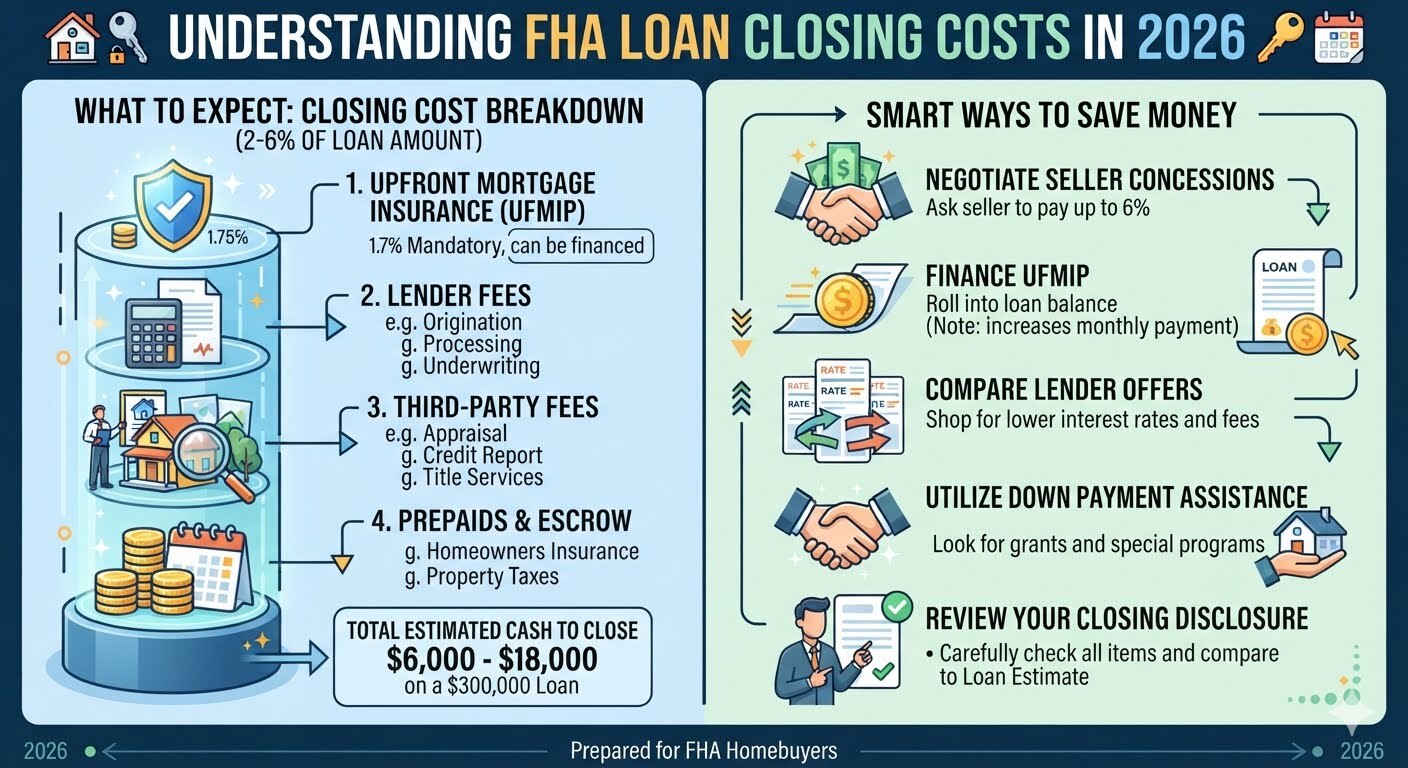

Learn about FHA loan closing costs in 2026, average fees, who pays them, and practical ways to save money before closing on your new home.
FHA Loan Closing Costs 2026: What to Expect and How to Save
Buying a home with an FHA loan is one of the most affordable ways to become a homeowner. While many buyers focus on the down payment, closing costs are another important expense that should never be overlooked. Understanding FHA loan closing costs in 2026 can help you prepare your budget, avoid surprises, and save money throughout the home buying process.
In this guide, you will learn what FHA loan closing costs include, how much you can expect to pay, who pays these costs, and several proven ways to reduce your expenses before closing day.
What Are FHA Loan Closing Costs?
FHA loan closing costs are the fees and expenses paid when your mortgage transaction is completed. These costs cover services provided by lenders, title companies, government agencies, inspectors, and other professionals involved in your home purchase.
Most home buyers pay closing costs in addition to their required down payment.
Common FHA Closing Costs Include
- Loan origination fee
- FHA appraisal fee
- Credit report fee
- Title search
- Title insurance
- Attorney fees where required
- Home inspection
- Recording fees
- Escrow deposits
- Property taxes
- Homeowners insurance premium
- FHA upfront mortgage insurance premium
How Much Are FHA Loan Closing Costs in 2026?
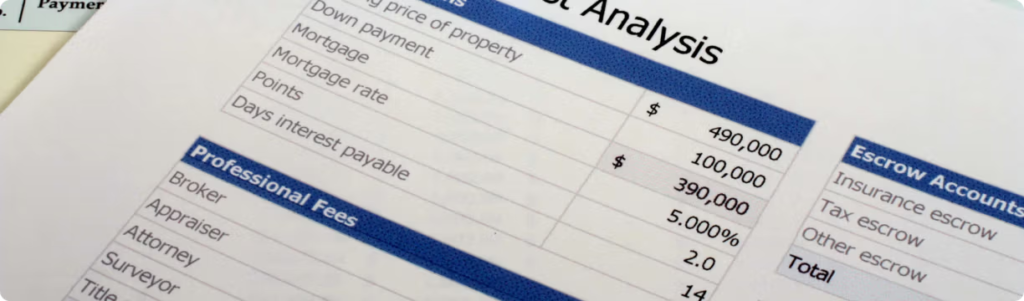
Most FHA borrowers can expect closing costs between 2 percent and 6 percent of the home’s purchase price.
Here are a few examples:
| Home Price | Estimated Closing Costs |
|---|---|
| $250,000 | $5,000 to $15,000 |
| $350,000 | $7,000 to $21,000 |
| $500,000 | $10,000 to $30,000 |
The actual amount depends on factors such as:
- Home price
- State and local taxes
- Lender fees
- Title company charges
- Insurance costs
- Property location
What Fees Make Up FHA Loan Closing Costs?
Understanding each fee can help you compare lenders and avoid paying more than necessary.
Loan Origination Fee
This fee covers the lender’s work in processing your mortgage application.
FHA Appraisal
Every FHA loan requires an approved appraisal to verify the home’s market value and confirm it meets FHA property standards.
Title Services
Title companies verify legal ownership, perform title searches, and issue title insurance to protect both the buyer and lender.
Government Recording Fees
Local government offices charge recording fees to officially register your property ownership.
Escrow Costs
Your lender may collect several months of property taxes and homeowners insurance in advance to establish your escrow account.
FHA Mortgage Insurance Premium
Most FHA loans require an upfront mortgage insurance premium. Many borrowers choose to finance this amount into the loan instead of paying it at closing.
Who Pays FHA Loan Closing Costs?
In most cases, the buyer pays the majority of closing costs. However, there are situations where sellers or lenders can help reduce your expenses.
Possible sources of assistance include:
- Seller concessions
- Lender credits
- Down payment assistance programs
- Local housing grants
- Employer housing assistance programs
These options can significantly lower the amount you need to bring to closing.
How to Save Money on FHA Loan Closing Costs
Saving money begins long before closing day. Consider these strategies.
Compare Multiple Lenders
Different lenders charge different fees. Request several loan estimates and compare them carefully.
Negotiate Seller Concessions
Many sellers agree to contribute toward closing costs, especially in slower housing markets.
Ask About Lender Credits
Some lenders offer credits that reduce your upfront costs in exchange for a slightly higher mortgage interest rate.
Look for Assistance Programs
Many state and local housing agencies provide grants or assistance programs for qualified buyers.
Improve Your Credit Score
A stronger credit profile may qualify you for better loan pricing and lower lender fees.
Review Every Fee
Before signing your closing documents, review every charge carefully and ask questions about any fee you do not understand.
FHA Loan Closing Costs Versus Conventional Loan Closing Costs
Many buyers wonder whether FHA loans cost more than conventional mortgages.
FHA loans often require mortgage insurance, which can increase total costs. However, buyers with lower credit scores may still find FHA financing more affordable because qualification requirements are generally more flexible.
Comparing both loan options with your lender can help determine which loan offers the best value for your financial situation.
Can FHA Closing Costs Be Rolled Into the Loan?
Some FHA costs, such as the upfront mortgage insurance premium, may be financed into the mortgage balance.
However, many other closing costs must usually be paid at settlement unless covered through seller contributions, lender credits, or approved assistance programs.
Your lender can explain which costs may be financed based on your loan details.
Tips for Preparing for Closing Day
Being prepared helps reduce stress during the final stage of buying a home.
Keep these tips in mind:
- Save money for unexpected expenses.
- Review your Closing Disclosure carefully.
- Avoid opening new credit accounts before closing.
- Maintain stable employment.
- Respond quickly to lender requests.
- Keep documentation organized.
These simple steps can help ensure a smoother closing process.
Why Understanding FHA Closing Costs Matters
Many buyers focus only on monthly mortgage payments and overlook the cash needed to complete the purchase. Knowing your expected FHA loan closing costs allows you to budget accurately and avoid delays.
Planning ahead also gives you time to compare lenders, negotiate seller assistance, and explore available financial assistance programs that could save thousands of dollars.
Conclusion
FHA loan closing costs remain an important part of the home buying process in 2026. While most buyers should expect to pay between 2 percent and 6 percent of the purchase price, there are many ways to reduce these expenses. Comparing lenders, negotiating seller contributions, improving your credit, and researching local assistance programs can all help lower your total costs.
The more prepared you are before closing, the more confident you will feel as you move into your new home.
Frequently Asked Questions
How much are FHA loan closing costs in 2026?
Most buyers pay between 2 percent and 6 percent of the home’s purchase price.
Can the seller pay FHA closing costs?
Yes. Sellers may contribute toward eligible closing costs within FHA guidelines.
Can closing costs be included in an FHA loan?
Some costs, such as the upfront mortgage insurance premium, may be financed into the loan. Many other costs must be paid at closing.
Are FHA closing costs higher than conventional loans?
They can be, mainly because FHA loans require mortgage insurance. However, the total cost depends on your financial profile and lender fees.
What is included in FHA loan closing costs?
Typical costs include lender fees, appraisal, title services, recording fees, escrow funding, insurance, taxes, and mortgage insurance.
Can first time home buyers get help with FHA closing costs?
Yes. Many state and local programs offer grants or financial assistance for qualified home buyers.
Can lender credits reduce FHA closing costs?
Yes. Some lenders provide credits that lower upfront costs, although this may result in a higher interest rate.