


Buying a home is one of the biggest financial decisions most people make, and earnest money is one of the first terms buyers encounter after making an offer. This payment shows the seller that you are serious about purchasing the property and are willing to move forward with the transaction.
In simple terms, earnest money is a good-faith deposit made by a buyer when submitting an offer on a home. It is usually held in an escrow account and later applied toward the down payment or closing costs if the sale is completed. However, many buyers are unsure about how much they should pay, whether they can get it back, and what happens if the deal falls apart.
This guide explains everything you need to know about an earnest money deposit, including how it works, common amounts, refund situations, mistakes to avoid, and practical examples from real home-buying scenarios.
Quick answer: Earnest money is a deposit paid by a buyer to show commitment to purchasing a property. If the sale closes successfully, the money usually goes toward the buyer’s closing costs or down payment. If the contract terms are not met, the buyer may receive the deposit back depending on the agreement.
What Is Earnest Money and Why Does It Matter?
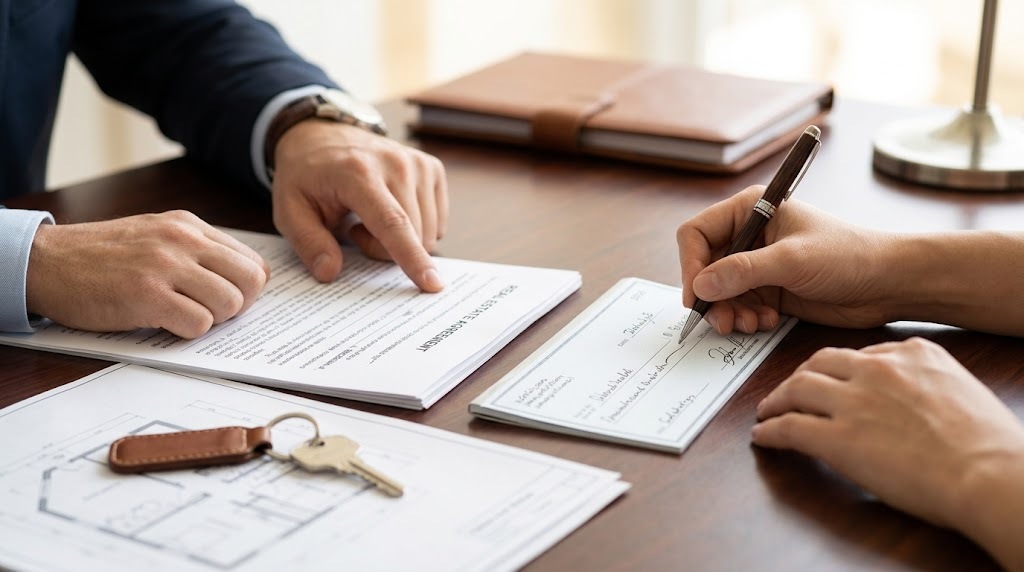
Earnest money is a financial commitment that buyers provide shortly after their offer is accepted by a seller. It acts as proof that the buyer is not making a casual offer and intends to complete the purchase.
Unlike a regular fee, this deposit is not paid directly to the seller for personal use. Instead, it is normally placed into an escrow account managed by a neutral third party, such as a title company, real estate broker, or attorney, depending on state regulations.
For sellers, this deposit provides confidence that the buyer has genuine interest. If a buyer walks away from the transaction without a valid contractual reason, the seller may have the right to keep the deposit as compensation.
For buyers, an earnest money deposit demonstrates seriousness while still offering protection through contract contingencies.
How Does an Earnest Money Deposit Work?
The process usually begins after a buyer submits an offer and the seller accepts it. The purchase agreement explains the deposit amount, deadline, and conditions for returning or releasing the money.
Step 1: Buyer Makes an Offer
A buyer includes an earnest money amount in the purchase offer. The amount depends on local market conditions, property price, and competition among buyers.
In many areas across the United States, earnest money ranges from 1% to 3% of the home’s purchase price. However, competitive markets may require higher deposits to make an offer more attractive.
For example:
- A $300,000 home with a 1% deposit may require $3,000 in earnest money.
- A $500,000 property with a 2% deposit may require $10,000.
The amount is negotiable and should match the buyer’s financial situation.
Step 2: Money Is Placed Into Escrow
After acceptance, the buyer usually sends the deposit to an escrow holder within a specific timeframe mentioned in the contract.
The escrow company keeps the funds safely until the transaction reaches closing or the contract determines another outcome.
Step 3: Deposit Is Applied at Closing
If everything goes smoothly and the home purchase is completed, the earnest money is not lost.
Instead, it is usually credited toward:
- Down payment
- Closing costs
- Other agreed purchase expenses
This means the buyer is not paying an additional cost. The deposit becomes part of the overall home purchase funds.
How Much Earnest Money Should You Offer?
There is no universal amount required for every home purchase. The right amount depends on several factors, including location, competition, and seller expectations.
Common Earnest Money Amounts in the United States
Most buyers offer:
- 1% of the purchase price in many traditional markets
- 2% to 3% in competitive areas
- Higher deposits in bidding situations where multiple buyers are interested
A larger deposit can make an offer more appealing because it signals stronger commitment. However, buyers should avoid offering an amount that creates financial pressure.
A buyer with limited savings may be better protected by keeping extra funds available for inspections, repairs, moving expenses, and unexpected costs.

Is Earnest Money Refundable?
One of the biggest concerns buyers have is whether they can get their deposit back. The answer depends on the purchase agreement and the reason the sale does not move forward.
Earnest money is often refundable when buyers use valid contract protections called contingencies.
Situations Where Buyers May Get Earnest Money Back
Home Inspection Contingency
If a professional inspection discovers major problems, buyers may have the option to negotiate repairs, cancel the agreement, and recover their deposit.
For example, a buyer discovers that a home needs a $25,000 foundation repair after inspection. If the contract allows cancellation under inspection terms, the buyer may receive the earnest money back.
Financing Contingency
A buyer may recover the deposit if mortgage approval fails despite making a reasonable effort to secure financing.
This protects buyers from losing thousands of dollars because of unexpected loan problems.
Appraisal Contingency
If the home’s appraisal value comes in lower than the agreed purchase price, buyers may have options depending on the contract terms.
They may renegotiate, pay the difference, or cancel and request their deposit back.
Title Issues
Problems such as ownership disputes, unpaid liens, or legal claims against the property can prevent a sale from closing. In these cases, buyers may usually receive their funds back.
When Can a Seller Keep Earnest Money?
A seller may have the right to keep the deposit if the buyer breaks the contract without a valid reason.
Examples include:
- Buyer changes their mind after removing contingencies
- Buyer refuses to complete the purchase without contractual protection
- Buyer misses important deadlines listed in the agreement
However, sellers cannot automatically take the money whenever a deal fails. The contract terms and state laws determine how disputes are handled.
If both parties disagree about who should receive the deposit, the escrow company may hold the funds until the issue is resolved through negotiation, mediation, or legal action.
Earnest Money: Complete Guide for Home Buyers in 2026
Earnest Money vs Down Payment: What Is the Difference?
Many first-time buyers confuse earnest money with a down payment because both involve paying money during the home-buying process. However, they serve different purposes.
Earnest money is a commitment deposit made when submitting an offer, while a down payment is the larger amount paid toward the home’s purchase price at closing.
Here is the simple difference:
| Earnest Money | Down Payment |
|---|---|
| Paid after an offer is accepted | Paid at the time of closing |
| Shows the seller you are serious | Reduces the amount you need to borrow |
| Usually 1% to 3% of purchase price | Often 3% to 20% or more depending on the loan |
| Held in escrow | Paid toward property ownership |
| May become part of closing funds | Becomes your ownership equity |
For example, imagine you purchase a $400,000 home. You may provide a $4,000 earnest money deposit when your offer is accepted. Later, at closing, that $4,000 is credited toward your total down payment or closing costs.
The important thing to remember is that earnest money is not an extra expense. It is an early portion of the funds you are already planning to use for the purchase.
Common Earnest Money Mistakes Buyers Should Avoid
Although earnest money is designed to protect both buyers and sellers, mistakes can create unnecessary financial problems. Understanding the rules before signing a contract can help buyers avoid losing their deposit.
Offering More Than You Can Comfortably Afford
A larger deposit may make your offer stronger, but buyers should consider their complete financial situation.
Buying a home involves more than the purchase price. You may also need money for:
- Inspection fees
- Appraisal costs
- Moving expenses
- Home repairs
- Emergency savings
A buyer should never offer a large earnest money amount simply to compete with other offers without understanding the risks.
Missing Deposit Deadlines
Real estate contracts usually include a specific deadline for submitting the deposit.
Missing this deadline may create problems because the seller could argue that the buyer failed to follow the agreement.
Always confirm:
- Deposit amount
- Payment method
- Deadline date
- Escrow instructions
with your real estate professional.
Waiving Important Contingencies Without Understanding the Risk
In competitive housing markets, some buyers remove contingencies to make their offers more attractive. However, removing protections can increase the chance of losing earnest money.
For example, waiving an inspection contingency may mean a buyer cannot cancel the contract after discovering expensive repairs.
A stronger offer is not only about offering more money. It is also about creating a contract that protects your financial interests.
Assuming Earnest Money Is Automatically Refundable
Many buyers believe they can always get their deposit back if they change their mind. This is not true.
If a buyer cancels outside the allowed contract conditions, the seller may have a claim to the deposit.
Always review the purchase agreement carefully before making commitments.
Real Example: How Earnest Money Works in a Home Purchase
Consider this example:
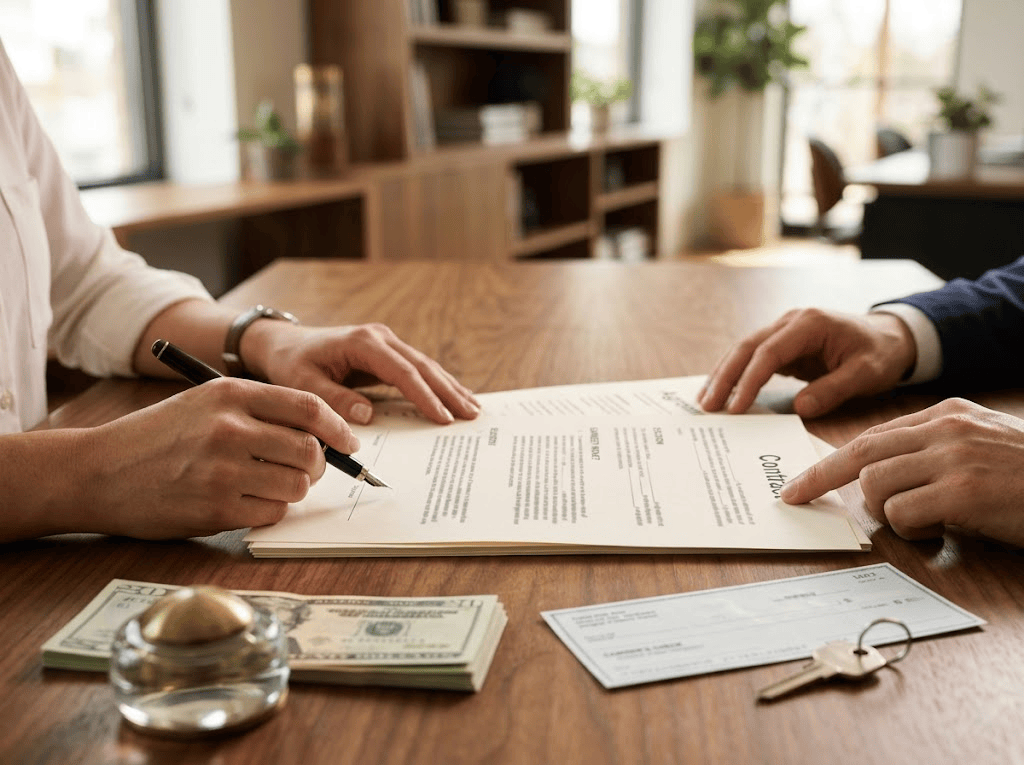
Sarah wants to buy a home listed for $350,000. After reviewing the property, she submits an offer with a $7,000 earnest money deposit.
The seller accepts her offer, and the money is placed into escrow.
During the inspection, Sarah discovers the roof requires major repairs. Her purchase agreement includes an inspection contingency, allowing her to cancel the deal if significant problems are found.
Sarah decides not to continue with the purchase, and because she followed the contract terms, her $7,000 earnest money is returned.
In another situation, if Sarah simply changed her mind after removing all contingencies, the seller might have a stronger claim to keep the deposit.
This example shows why understanding contract conditions matters more than simply knowing the deposit amount.
How Earnest Money Rules Differ by State
Real estate laws are not identical across the United States. Each state may have different requirements regarding escrow handling, deadlines, and dispute procedures.
Some states use title companies to manage deposits, while others commonly involve attorneys or real estate brokers.
Before submitting an earnest money deposit, buyers should understand:
- State-specific regulations
- Contract requirements
- Escrow procedures
- Cancellation rights
For official consumer housing information, buyers can review resources from the U.S. Department of Housing and Urban Development (HUD):
For general legal definitions related to real estate terms, buyers can also review Cornell Law School’s Legal Information Institute:
How to Protect Your Earnest Money Deposit
Protecting your deposit starts before you make an offer. A careful approach can reduce financial risks and make the buying process smoother.
Follow these steps:
Review the Purchase Agreement Carefully
The purchase contract explains when you can cancel, when money may be returned, and what responsibilities both parties have.
Never sign an agreement without understanding the deadlines and conditions.
Work With Experienced Professionals
A qualified real estate agent, lender, and closing professional can help identify risks before you commit funds.
Their experience can be valuable when negotiating contingencies and reviewing contract terms.
Keep Records of Every Payment
Save:
- Deposit receipts
- Escrow confirmations
- Contract documents
- Communication with agents
Clear documentation can help resolve disputes if questions arise later.
Avoid Direct Payments to Sellers
Legitimate earnest money deposits are usually handled through approved escrow channels. Buyers should be cautious about requests to send money directly to individuals.
Always verify payment instructions before transferring funds.
Frequently Asked Questions About Earnest Money
What is the purpose of earnest money?
Earnest money shows the seller that a buyer is serious about purchasing a property. It provides confidence that the buyer intends to complete the transaction while allowing protections through contract contingencies.
Is earnest money included in the down payment?
Yes, in many cases the earnest money deposit is credited toward the buyer’s down payment or closing costs after the purchase is completed.
How long does the seller hold earnest money?
The seller usually does not personally hold the funds. The deposit is commonly kept in an escrow account until closing or until the contract determines who receives the money.
Can a buyer lose earnest money?
Yes. A buyer may lose earnest money if they break the purchase agreement without a valid contractual reason or fail to complete the purchase after removing protections.
How much earnest money should a first-time buyer pay?
Most buyers provide around 1% to 3% of the purchase price, but the correct amount depends on the local market, property type, and contract negotiations.
Conclusion: Understand Earnest Money Before Making an Offer
Earnest money is an important part of the home-buying process because it demonstrates commitment while creating a structured agreement between buyers and sellers.
A well-planned earnest money deposit can strengthen your offer without putting your finances at unnecessary risk. The key is understanding your contract, keeping important contingencies, meeting deadlines, and working with experienced professionals.
Before submitting an offer on a property, take time to understand how your deposit works and what protections are available. A few minutes of preparation can help protect thousands of dollars during one of the biggest purchases of your life.






One Response